top of page
Understanding Alzheimer’s Disease
Alzheimer’s disease is a progressive brain disorder that slowly damages brain cells and affects a person’s memory, thinking, behavior, and ability to carry out everyday tasks. It is the most common cause of dementia, a general term for conditions that impair cognitive function.
What Happens in the Brain?
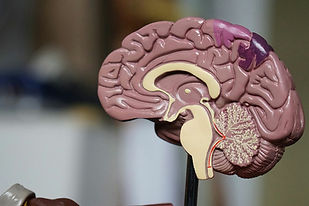
Scientists believe Alzheimer’s is caused by abnormal changes in the brain, including the buildup of proteins that interfere with communication between brain cells. Over time, these changes cause brain cells to die, making it harder for the brain to process information and store memories.
Common Symptoms
Early symptoms often include:
-
Difficulty remembering recent events or conversations
-
Misplacing items more frequently
-
Trouble finding the right words
-
Difficulty planning, organizing, or solving problems
As the disease progresses, people may:
-
Become confused about time or location
-
Have trouble recognizing familiar people
-
Need assistance with daily activities
-
Experience changes in mood, personality, or behavior
Who Is Affected?
Alzheimer’s most commonly affects older adults, especially those over age 65, but it is not a normal part of aging. Researchers continue to study genetic, environmental, and lifestyle factors that may contribute to the disease.


Why Research Matters
Currently, there is no cure for Alzheimer’s, but treatments can help manage symptoms and improve quality of life. Ongoing research aims to better understand the disease, develop more effective treatments, and ultimately find a cure.
How You Can Help
Even if you’re young, you can make a difference by:
-
Learning about Alzheimer’s and sharing accurate information
-
Supporting family members, friends, or caregivers affected by the disease
-
Participating in awareness and fundraising efforts
-
Encouraging conversations about brain health and scientific research
Questions?
If Alzheimer’s has affected someone you know or if you’d like to learn more, consider talking with a healthcare professional or another trusted adult. Understanding the disease is an important step toward supporting those affected and advancing efforts to find better treatments and a cure.
bottom of page